
Movement, Sustainability, and the Work Beyond the Workout
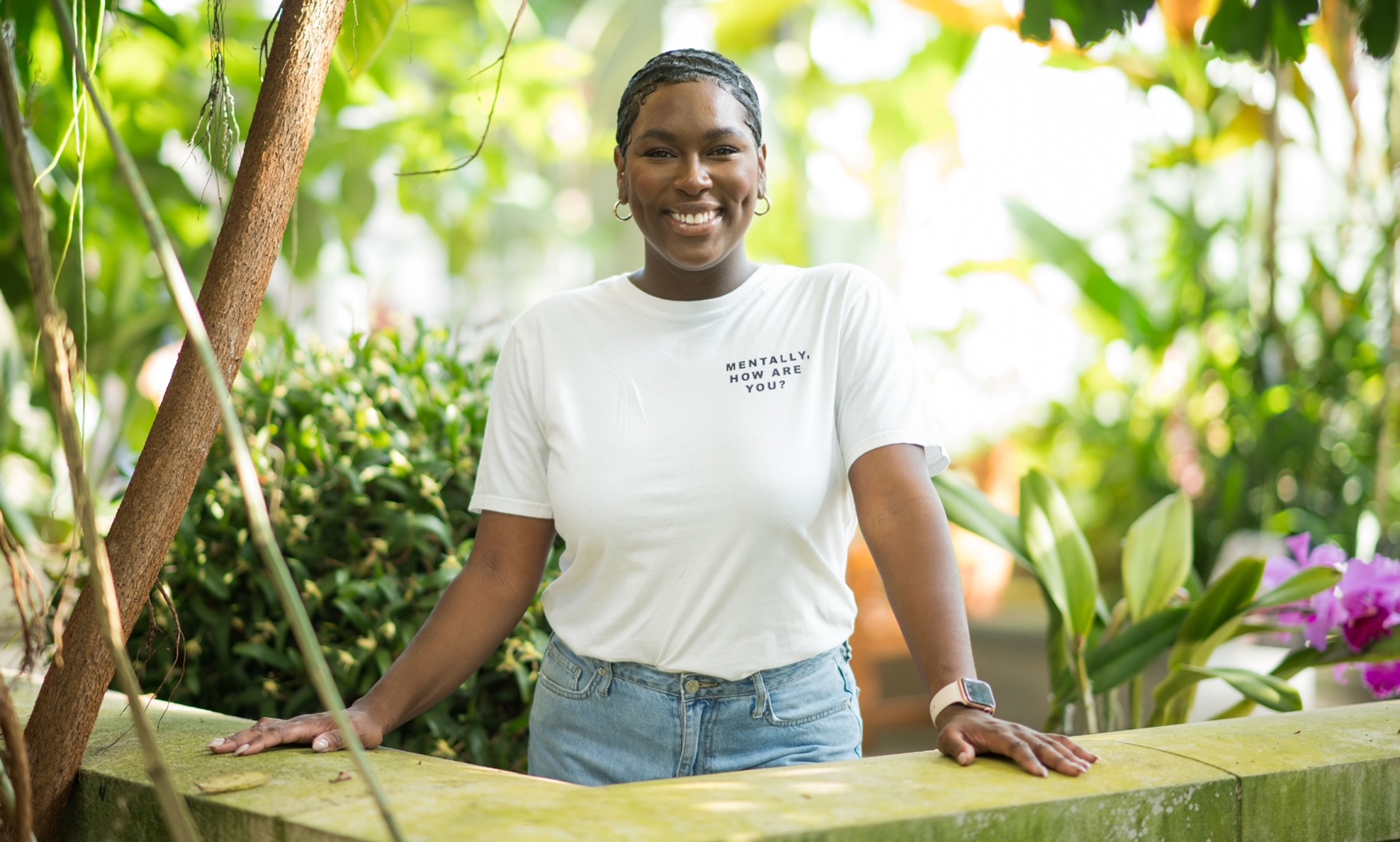
Movement and overall health are an essential part of our holistic approach to mental wellness. In December, I partnered with a nutrition coach and a personal trainer to host a 14-day fitness challenge focused on movement, nourishment, hydration, and grounding. All designed to support the body and nervous system.

Not only did the challenge encouraged consistency, but it also created space for something deeper: reflection. Not just on how we move, but on what actually makes movement sustainable in real life.
We know that systems play a significant role in shaping our relationship to movement. Access to safe spaces, quality nutrition, time, rest, and supportive environments all matter. These factors influence whether movement feels possible in the first place. And while access is important, it still isn’t the full picture.
Movement really sticks when it means something to you, not just because it’s there. Your mindset is key. You’ve got to choose to move, not feel like you’re being forced into it. If your motivation for moving is all about performance, pressure, or what others expect, it can sneakily become something you start to push back against. Eventually, that pressure can shape how you see yourself, affecting whether moving feels like self-care or just another chore.
This is where a deeper question emerges: who was movement built for?
For a lot of Black women, getting into movement can be pretty complicated. There's the ongoing stress, juggling caregiving duties, not having much free time, and feeling out of place in wellness spaces that aren't always welcoming. Despite all this, Black women are finding ways to embrace movement that feel gentler, more natural, and fit better with their everyday lives. That reclamation matters. And so does what comes next.
Why We Need Better Education and Access in Wellness
We really need more education, access, and culturally aware wellness spaces to boost our health and well-being. Education helps people make smart choices about their health, like understanding physical activity, mental health, and nutrition. Plus, it’s important to recognize different cultural views on wellness. By offering solid educational resources, we can help people take charge of their health with confidence. Access to wellness spaces is super important too. These spaces should be open and welcoming to everyone, no matter their background or abilities. Culturally responsive environments celebrate the diverse identities of the community, making sure everyone feels valued in their wellness journey.
Understanding Intention, Identity, and Permission in Movement
We also need to explore intention, identity, and permission when it comes to movement. Movement should be fun, not stressful! It’s key to think about why we move. Are we doing it because we feel we have to, or because it feels good and true to us? This helps us connect with our bodies in a meaningful way. Our identities shape how we move, too. Everyone’s relationship with movement is influenced by their experiences and backgrounds. Honoring these identities in wellness spaces can lead to more personal and effective movement practices. It’s about finding what works for you, not fitting into a generic mold.
Creating a Chill Environment for Movement
It’s crucial to give ourselves permission to move without pressure. Many people feel weighed down by expectations about how they should look or perform. By creating a space where movement is seen as a fun part of life, we can ease that pressure. This lets people explore different ways to move like dancing, walking, or yoga without fear of being judged. We also need to redefine what “counts” as movement. It’s not just about formal workouts; things like gardening or playing with kids are great too! Recognizing these activities as valid forms of movement helps everyone feel included in the wellness conversation.
Lastly, let’s encourage movement as a way to support and care for ourselves, not as punishment. Too often, people associate movement with guilt for what they eat. Instead, we should see movement as a joyful way to connect with ourselves and others. By shifting this mindset, we can build a healthier relationship with our bodies and improve our overall well-being. In short, boosting education, access, and culturally responsive wellness spaces is vital, as is creating an environment that values intention, identity, and pressure-free movement. By doing this, we can foster a more inclusive and supportive culture around wellness.
This reflection is part of an ongoing conversation about wellness that focuses on the whole person. As we plan future challenges, workshops, and offerings, we'll keep this perspective at the heart of it all: movement that meets people where they are, respects their experiences, and promotes long-term well-being.
Comments